Technical training in avionics—ranging from electronics troubleshooting to safety protocols—aligns closely with the skills required to maintain medical devices in hospitals.
By Raghbir Singh
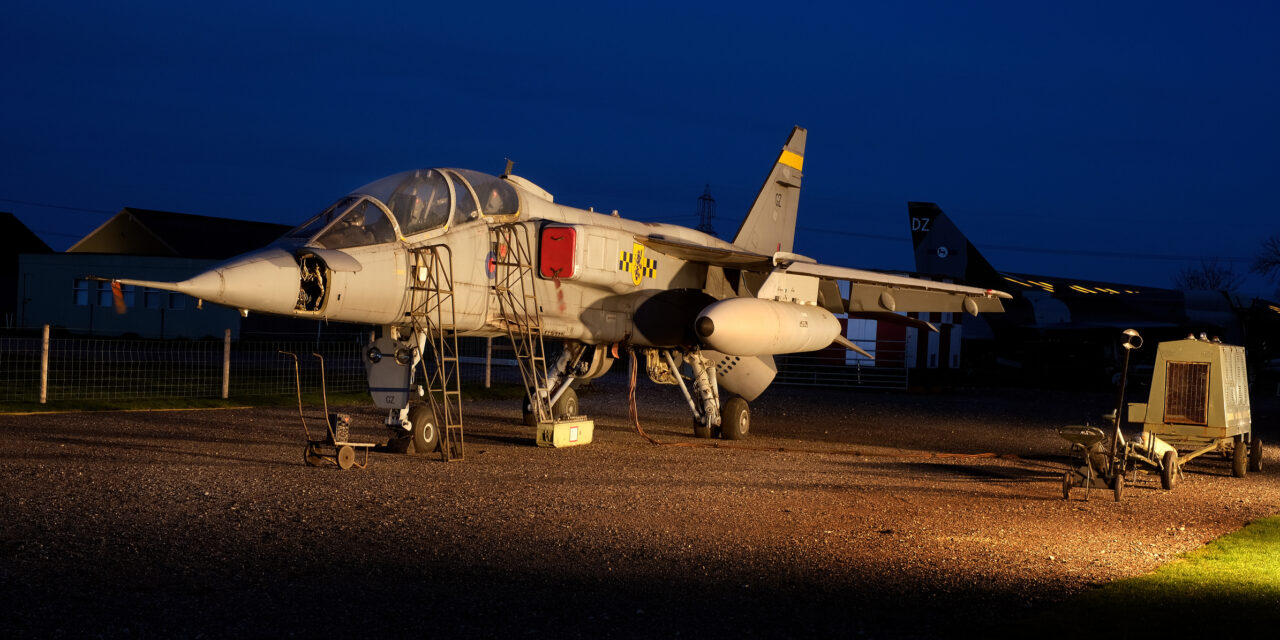
After two decades working on avionics systems—including communication equipment on Jaguar fighter aircraft—I made the transition into biomedical equipment technology, a career move that more technicians are now considering as healthcare’s demand for technical expertise grows.
This transition is not only logical but also increasingly common. Avionics technicians bring a wealth of technical expertise, discipline, and troubleshooting experience that aligns remarkably well with the demands of healthcare technology management (HTM).
As hospitals expand their reliance on advanced medical devices, the need for skilled biomedical equipment technicians (BMETs) continues to rise. For individuals with avionics backgrounds, this shift offers a stable, meaningful, and technically challenging career path.
Shared Foundations of Safety and Reliability
Avionics technicians are trained to maintain and troubleshoot complex electronic systems in environments where failure is not an option. This background aligns closely with the technical, regulatory, and safety expectations of biomedical equipment support. For example, during my work on Jaguar fighter aircraft, the pilot primarily relied on very high frequency (VUC‐201) and ultra-high frequency (COM-150/COM‐1150) communication systems, but the high-frequency system (COM‐326A, 2.06–26.99 MHz) remained installed for emergency use/long-distance communication.
Because high-frequency was rarely used, technicians were required to inspect it every 30 flight hours, with a five-hour allowable window, checking both the lowest and highest frequencies 10 times (as per the ASM publication). This ensures that the antenna tuning unit can move smoothly across its operating range, the system can tune properly at representative low and high frequencies, and the transmitter produces stable output power by adjusting the antenna’s internal capacitance and inductance. If left unused for too long, the mechanism could seize—and in an emergency, the pilot might be unable to transmit. In aviation, that level of risk is unacceptable.
Biomedical equipment follows the same philosophy. Preventive maintenance and calibration are performed using analyzers such as Fluke devices. These generate calibrated physiologic signals—ECG waveforms, blood pressure profiles, temperature values, or lung compliance models—to verify device accuracy and safety.
These simulators allow technicians to test equipment performance under controlled, repeatable conditions that represent real clinical scenarios, including edge‐of‐range values within the device’s specified operating limits. This ensures that devices respond correctly across their full performance range.
Just as aviation tests systems to ensure reliability in rare emergency conditions, biomedical testing ensures that devices will not fail when patients depend on them most. Whether it is a ventilator responding to sudden pressure changes or a defibrillator delivering a life‐saving shock, equipment must function reliably. This shared emphasis on preventive maintenance, system reliability, and safety‐critical performance makes avionics technicians naturally well‐suited for careers in biomedical technology.
Aircraft systems and medical devices also share core engineering principles. Both rely on analog and digital circuitry, microprocessors and embedded controllers, sensors and transducers, signal conditioning, power supplies, inverters, battery systems, communication protocols, and system integration. This overlap gives avionics technicians a significant advantage when learning biomedical instrumentation.
A Personal Transition: From Avionics to Biomed
Switching my career from avionics technician to biomedical technician initially felt overwhelming, especially after spending 20 years mastering one system. I worried that entering a completely different field would mean starting from scratch. However, the structured training at North Seattle College transformed that fear into confidence.
The program is thoughtfully designed, beginning with the basics—such as wire stripping, sizing, and understanding fasteners—and gradually moving into realistic hospital-like lab environments.
Working hands‐on with equipment like the Philips MP50 monitor, autoclaves, LifePak 12, microscopes, and other common clinical devices helped bridge the gap between theory and real‐world practice. Although it is impossible for any program to provide training on every medical device used in hospitals, especially with the rapid pace of technological advancement, the labs build strong foundational skills and troubleshooting habits that apply across equipment types. While supervised labs cannot fully replicate the independence and unpredictability of real hospital work, they provide enough exposure and practical experience to give students the confidence to adapt, learn, and succeed in the field.
Technical Parallels Between Avionics and Biomedical Technology
In any fighter squadron, troubleshooting is performed under pressure. Aviation equipment failures can jeopardize lives, and the same is true in healthcare. Avionics technicians excel at:
- Systematic fault isolation
- Reading schematics and wiring diagrams (such as ASM and OEM manuals)
- Using oscilloscopes, DMMs, and specialized test equipment
- Diagnosing intermittent or environment‐dependent failures
These skills translate directly to the maintenance of ventilators, defibrillators, infusion pumps, patient monitors, and imaging systems.
One of the strongest parallels between the two fields is the emphasis on safety, documentation, and regulatory compliance. Aviation maintenance is governed by strict regulations and documentation standards. Technicians are accustomed to:
- Following maintenance manuals
- Staying updated on OEM changes and scheduled activities
- Completing detailed service logs
- Adhering to safety protocols
- Participating in audits and inspections
Healthcare technology is similarly regulated by organizations such as the US Food and Drug Administration (FDA), Joint Commission, and NFPA. Avionics professionals already understand the importance of compliance, traceability, and procedural discipline.
Medical Terminology and Physiology
The most challenging part for many transitioners—including myself—is learning medical terminology. It is complex and, without regular practice, easy to forget. Students must understand:
- Cardiovascular physiology (ECG, blood pressure, perfusion)
- Respiratory mechanics (ventilation, oxygenation, gas exchange)
- Neurological signals (EEG, nerve conduction)
- Basic anatomy and clinical terminology
This knowledge helps technicians interpret device behaviour and communicate effectively with clinicians.
Medical Device Regulations and Standards
Medical equipment is governed by standards such as:
- FDA 21 CFR 820—Quality Management System Regulation
- IEC 60601—Electrical safety and essential performance
- ISO 14971— Risk management
- NFPA 99—Healthcare facility electrical systems
Understanding these standards is essential for safe servicing and compliance.
Patient Safety and Clinical Workflow
Unlike aircraft, medical devices are used on vulnerable patients in dynamic clinical environments. BMETs must understand:
- Infection control procedures
- Sterile field requirements
- Patient privacy (HIPAA)
- Emergency response workflows
- Clinical priorities and communication styles
In aviation, technicians conduct routine foreign object debris walks to prevent even small contaminants from damaging aircraft systems. Healthcare has a parallel mindset, but the focus shifts from debris to pathogens and contamination risks. Instead of scanning a tarmac for loose objects, BMETs must ensure that medical devices are cleaned properly, remain outside sterile fields when required, and are handled in ways that prevent cross‐contamination between patients. Both environments demand strict attention to detail, disciplined workflows, and a constant awareness that small lapses can create serious safety risks.
Biomedical‐Specific Technologies and Imaging Systems
Students must learn the operation and maintenance of devices such as:
- Defibrillators and ECG systems
- Infusion and syringe pumps
- Ventilators and anaesthesia machines
- Haemodialysis systems
- Surgical equipment
Imaging systems introduce technical challenges that feel familiar to avionics technicians because they involve the same principles of high‐voltage control, electromagnetic safety, and disciplined operational procedures. X‐ray and CT systems rely on high‐voltage generators—often in the 40–150 kV range—similar to the power‐conversion and excitation systems used in aircraft electronics, and they require strict radiation‐safety practices such as shielding, scatter control, and dose monitoring.
MRI environments present a different type of hazard: powerful superconducting magnets that demand the same level of controlled‐access discipline that avionics technicians apply around sensitive avionics bays in laser testing or explosive‐safety zones, with added awareness of ferromagnetic risks, quench events, and cryogen management.
Ultrasound systems use piezoelectric transducers and advanced signal‐processing chains, concepts that parallel the sensor technologies and waveform analysis used in aircraft communication and navigation systems.
Across all imaging modalities, BMETs must understand cooling systems, image‐quality parameters, and DICOM/PACS connectivity—much like how avionics technicians must consider thermal management, signal integrity, and system integration in aircraft platforms. These parallels make imaging a natural extension of the technical mindset developed in aviation while introducing new clinical and patient‐safety considerations unique to healthcare.
Building New Competencies: What Students Must Focus On
1. Biomedical Instrumentation
Students must understand:
- Biopotential electrodes
- Amplifiers and filters
- Patient isolation and leakage current
- Alarm systems and safety circuits
- Signal processing and waveform interpretation
2. Networking and IT Skills
Modern medical devices are networked. BMETs must understand:
- IP addressing and subnetting
- VLANs and network segmentation
- DICOM imaging protocols
- HL7 messaging
- Cybersecurity basics
3. Soft Skills and Clinical Communication
BMETs interact with nurses, physicians, respiratory therapists, radiology technologists, and IT departments. Clear communication and professionalism are essential.
Career Opportunities for Avionics‐to‐Biomed Transitioners
Students entering HTM can pursue roles such as:
- Biomedical equipment technician (BMET I–III)
- Imaging specialist (X‐ray, CT, MRI)
- Field service engineer
- Clinical engineer
- PACS administrator
- Medical device cybersecurity specialist
- HTM supervisor or manager
Avionics professionals often advance quickly due to their technical discipline and troubleshooting experience.
Making the Transition
Transitioning from avionics to biomedical equipment technology is not only achievable but also a strategic and rewarding career move. The technical foundation, safety mindset, and troubleshooting skills developed in aviation align closely with the demands of modern healthcare technology. By learning physiology, medical terminology, regulatory standards, and biomedical instrumentation, avionics technicians can become highly effective BMETs who directly support patient care and clinical safety.
For students making this transition, the journey offers both challenge and purpose. The HTM field provides stability, growth, and the opportunity to apply advanced technical skills to improve lives every day. With dedication and the right training, avionics professionals can thrive in biomedical technology and build meaningful, impactful careers.
ID 142399469 © Paulbroad | Dreamstime.com
Have an article you’d like to submit? Email [email protected].



Great article, This was exactly my path from one world to the other. I worked Avionics attack systems on F-16’s. The training I received at tech school was top notch and prepared me for a life in some kind of electronics repair field. Unknown to me that was Biomed. I actually stumbled into the program after I got out from the Air Force and began taking general college classes and then found out the school I was attending had a Biomed program. That was 33 years ago. Still love what I do.