Why Medical Device Cybersecurity Needs HTM Expertise
HTM professionals bring critical clinical context to medical device cybersecurity, but the growing role also requires new skills and training.

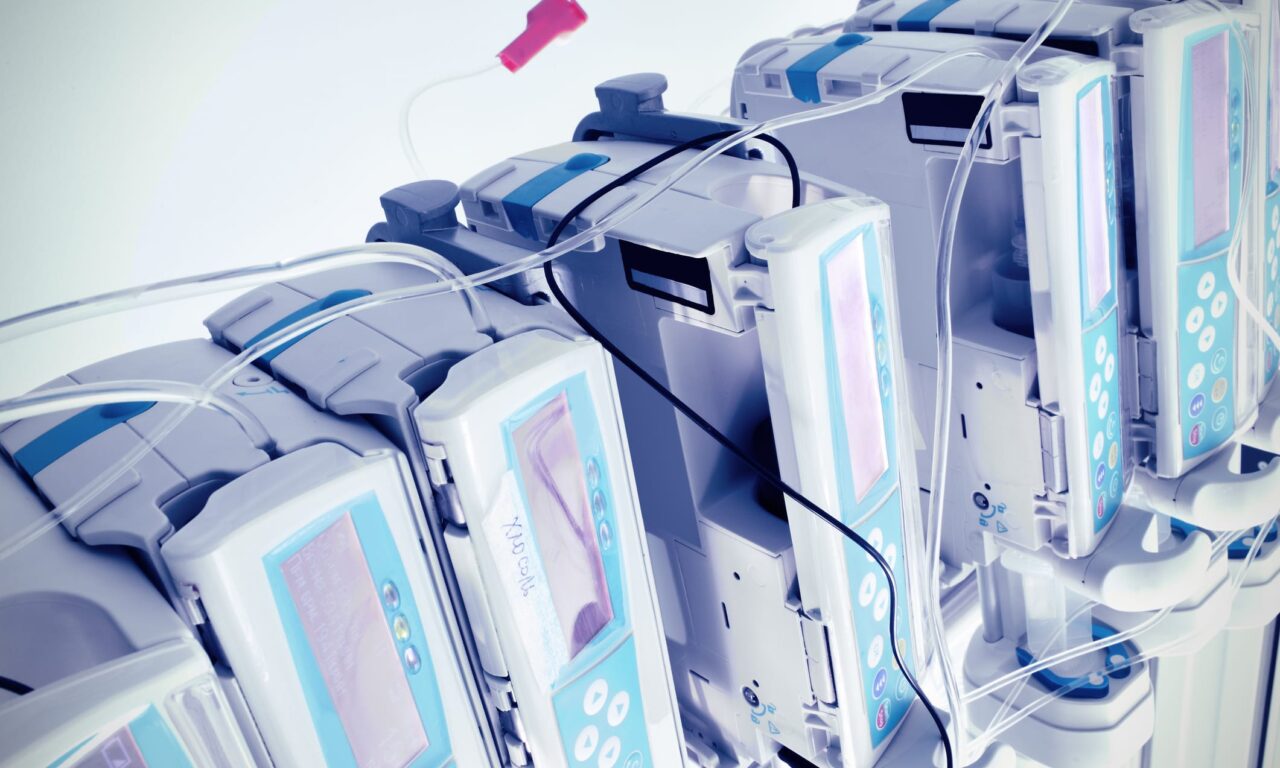
HTM professionals bring critical clinical context to medical device cybersecurity, but the growing role also requires new skills and training.

From a new dental pavilion to a repair-a-thon for global health, here are five can't-miss stops heading to Denver this May.





The new feature for the company’s simulation software is designed to provide a more accurate way for technologists to understand and optimize MRI image quality.


HTM professionals bring critical clinical context to medical device cybersecurity, but the growing role also requires new skills and training.

Explore five standout stops at AAMI eXchange 2025, from startup spotlights to immersive tech demos.
Read More
As technology advances and workforce shortages grow, ongoing training is essential for HTM professionals to bridge the skills gap and keep pace with industry demands.
Read More
The program will feature state-of-the-art equipment and a remodeled space designed to simulate real-world biomedical work environments.
Read More
Texas State Technical College’s Biomedical Equipment Technology program has implemented virtual reality training to simulate real-world scenarios and support hands-on learning.
Read More
In this HTM 24×7 episode, Maggie Berkey, CBET, discusses the BMET apprenticeship program and the need for increased awareness of HTM.
Read More
As college costs soar, apprenticeship programs are providing a valuable alternative path—offering practical training, industry-ready skills, and a fast track to meaningful careers in fields like clinical engineering, where opportunities and demand continue to grow
Read More

To attract the next generation of BMETs amid a talent shortage, health systems must adopt cutting-edge technology, according to one industry expert.


