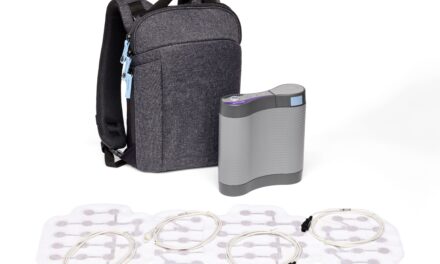
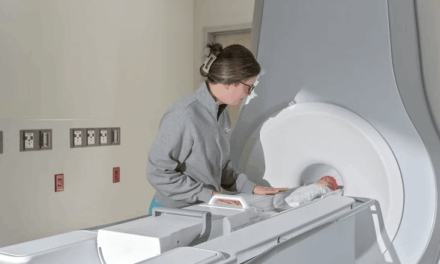
MARS Bioimaging Gains FDA Clearance for Portable Photon-Counting CT Scanner
The extremity-focused system is designed for point-of-care use, including clinics and ambulatory settings.

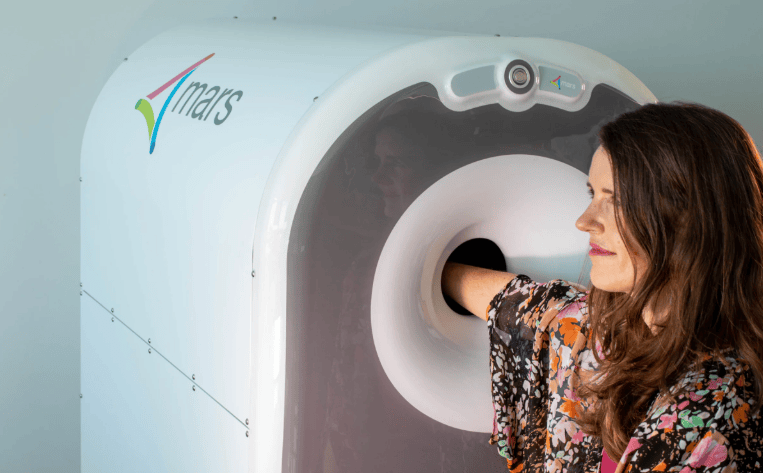
The extremity-focused system is designed for point-of-care use, including clinics and ambulatory settings.

H.160 would require original equipment manufacturers to provide documentation, parts, and tools needed to diagnose, maintain, and repair medical equipment on fair and reasonable terms.

Revised guidance aligns with quality management system regulation changes and provides recommendations for cyber device submissions under section 524B of the FD&C Act.
Read More
Lessons from 2025’s breaches point to a tougher reality in 2026, as AI adoption accelerates and cybersecurity becomes inseparable from patient care.
Read More
The mobile C-arm system features AI-powered imaging tools and cable-free design for interventional procedures.
Read More
ECRI’s report also sounds the alarm on insufficient planning for systems outages, substandard medical products, missed recalls of home diabetes management devices, and more.
Read More
The agency exceeded its three-month termination timeline for 74% of recalls during fiscal years 2020-2024, due to staff constraints that limited oversight activities, the report finds.
Read More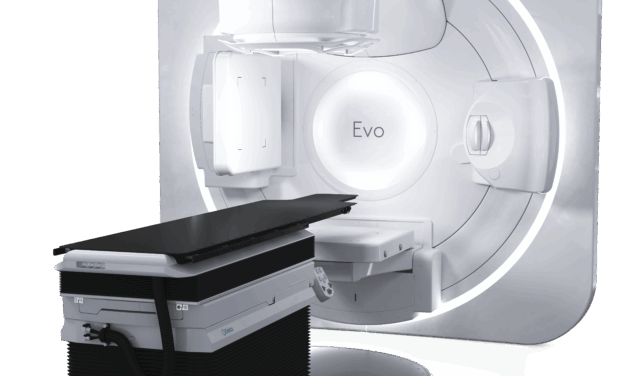
Elekta’s Evo system combines CT-guided radiation therapy with AI-enhanced imaging designed to support visualization of tumors and nearby organs at risk during treatment.
Read More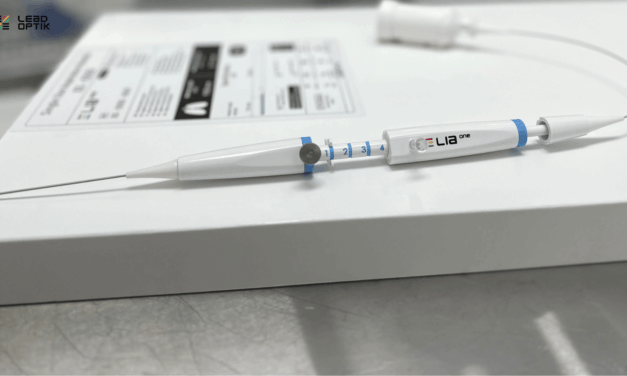
The system integrates depth imaging technology directly into biopsy tools to improve tissue sampling accuracy during bronchoscopy.
Read More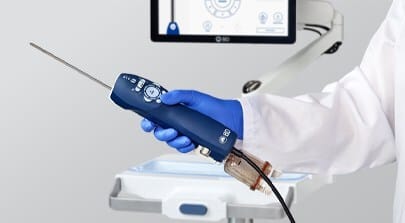
The newly cleared system is designed to support breast biopsy procedures across multiple imaging modalities using a single platform.
Read More
The cybersecurity veteran joins 24×7’s advisory board as cyber resilience becomes a growing focus for the HTM field.
Read More
A misassembly defect in a specific lot of Ivenix primary administration sets could cause reverse flow, delayed infusion, or serious patient harm, prompting a Class I recall.
Read More
The removal is tied to incorrect software installations that could result in inaccurate flow rates and user confusion during clinical use.
Read More
More than 70% of respondents reported financial, operational, or clinical impacts from cyber incidents, according to a recent survey.
Read More