The company’s Winter Release adds new AI-driven capabilities focused on asset data accuracy, resource planning, and integration with enterprise systems.
Limble, a maintenance and asset management platform, announced its Winter Release with three new artificial intelligence (AI)-powered capabilities designed to help maintenance and operations teams build cleaner data, clearer asset plans, and faster workflows.
The release focuses on AI, applying it to help streamline asset data creation, improve planning, and integrate maintenance data with enterprise systems and AI tools.
“We have always prioritized solving the real, day-to-day problems that leaders and their teams face across operations and asset management,” says Michael Scappa, senior vice president of product and technology at Limble, in a release. “Our customers consistently say that AI is only important if it is saving them and their teams time as they work through maintenance, operations, and asset planning. This release applies AI where it matters most: lowering the burden on maintenance and operations teams while creating clean, reliable data and insights that extend the lifecycle of assets.”
The Winter Release expands Limble’s platform at the intersection of computerized maintenance management systems (CMMS) and enterprise asset management (EAM) with the following capabilities:
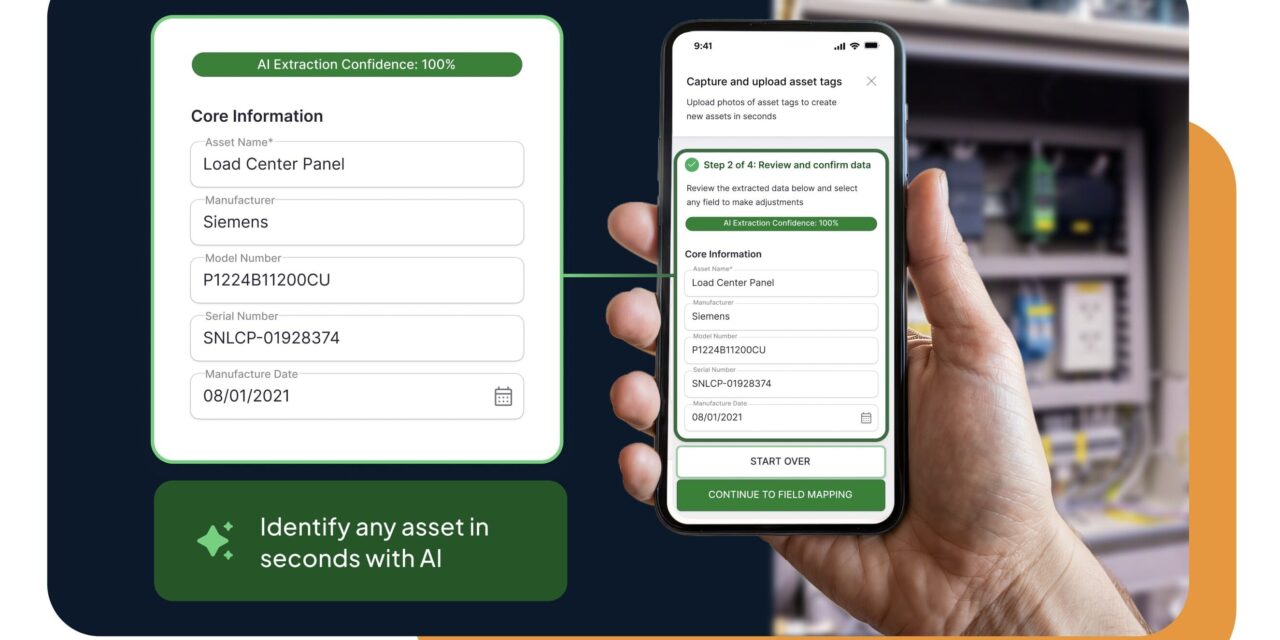
- Asset Snap automates asset creation by turning photos of machinery and equipment in facilities or manufacturing lines into structured, validated asset records in Limble. Using AI-powered image and text recognition, Asset Snap extracts and standardizes key details such as manufacturer, model, and serial number at the time of capture, aiming to help teams onboard new and legacy equipment up to 80% faster. At the same time, it eliminates manual entry, one of the most common sources of data errors in maintenance systems, according to a release from Limble.
- Resource Planning adds AI-powered workload and scheduling recommendations and provides maintenance leaders with a single, real-time view of both scheduled and on-demand work. Based on internal tests of similar workflows, teams can expect to save 10 to 15 hours per week on scheduling, along with improved predictability and capacity visibility, according to Limble. With Resource Planning, leaders can see what’s urgent or at risk to allocate resources and balance workloads more effectively.
- Model Context Protocol (MCP) connects Limble to enterprise systems and AI tools, aiming to enable secure access to trusted maintenance data for deeper insights and faster business decisions. For maintenance leaders, reliability engineers, or asset planners, MCP enables access to data and insights through large language models and other AI tools. Using these insights to answer questions—such as which assets drive maintenance costs or where technician capacity is constrained—helps improve both daily operations and the decisions driving the lifecycle of assets.
Limble says it will continue expanding its AI and automation capabilities over the next several years. All Winter Release features are available to Limble customers in the US today, with a global rollout planned for completion in the summer of 2026.
Photo caption: Winter Release
Photo credit: Limble



It is fascinating to see ECRI rating AI-related products at the top of their “Top Hazards” list and AI s now appearing and being heavily marketed in equipment management products.
Assuming adequate attention is given to the risks associable with the application of AI, and as I’ve said elsewhere, AI could prove to be an immensely powerful tool in the CE/HTM toolset.
But I would caution CE/HTM to maintain a healthy skepticism when evaluating such products. My suggestions would be to require substantiable evidence for all functionality claims that relate to AI. In particular, request evidence of the vendor’s verification and validation process and results.