HTM Market Projected to More Than Double by 2030
Rising investments in digital infrastructure and medical device cybersecurity are driving a 16.1% annual growth rate.


Rising investments in digital infrastructure and medical device cybersecurity are driving a 16.1% annual growth rate.
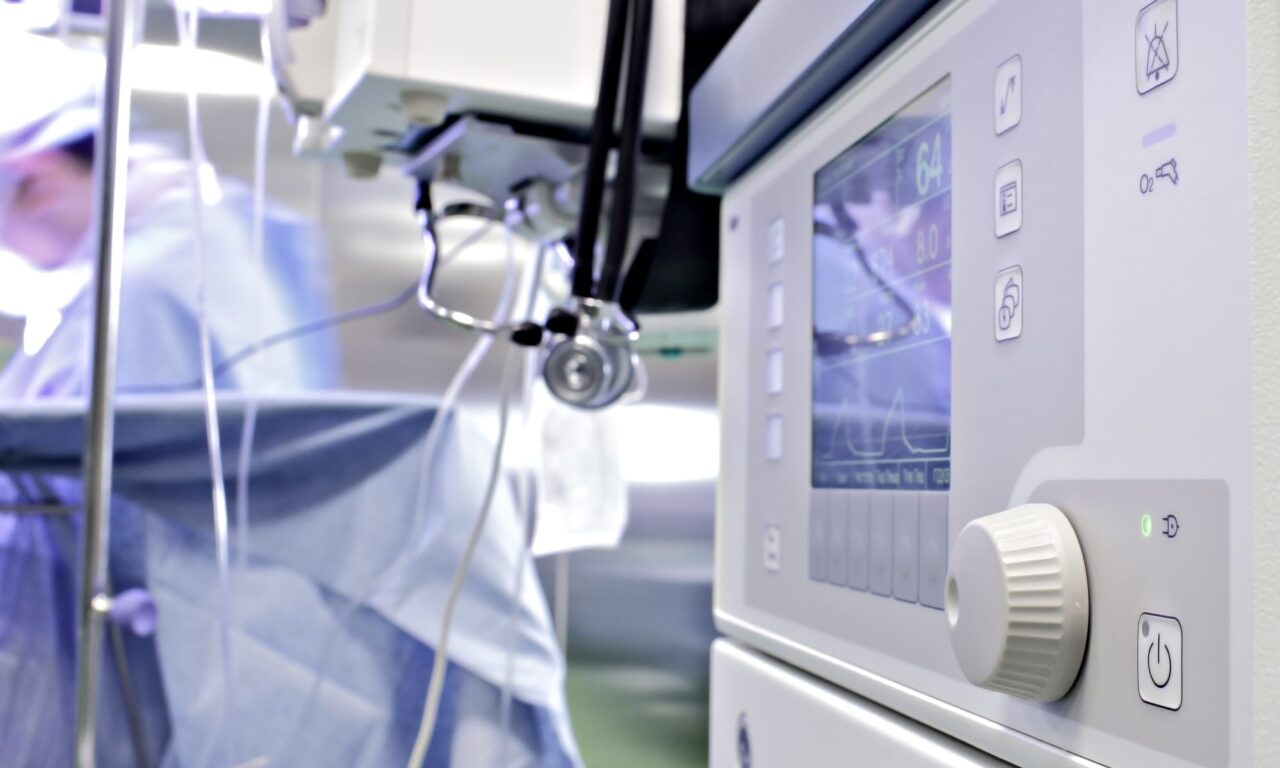
With the majority of anesthesia and respiratory devices made overseas, new tariffs could reshape the US market and disrupt supply chains, GlobalData says.







Home healthcare is transforming patient care with innovative possibilities, but managing medical devices in nonclinical settings introduces unique challenges for healthcare systems and HTM professionals.



Rising investments in digital infrastructure and medical device cybersecurity are driving a 16.1% annual growth rate.

Clarivate’s “Medical Technologies to Watch in 2024” report highlights five high-growth med-tech innovations: pulsed field ablation devices, diabetes care devices, neurostimulation devices, surgical robotics, and renal denervation, poised to generate significant clinical and commercial value.
Read More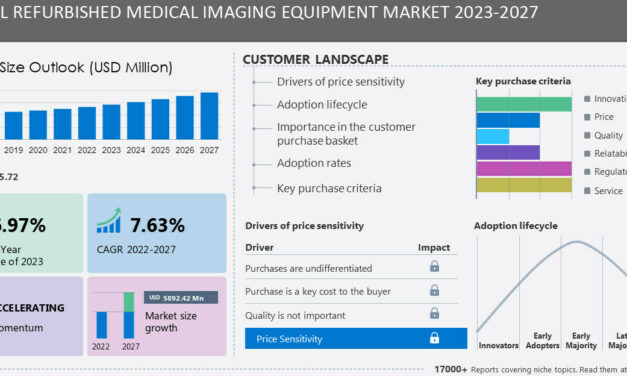
Technavio reports the global refurbished medical imaging equipment market is projected to grow by $5.9 billion by 2027.
Read More
The article delves into the shifting landscape of the medtech market in 2024, offering insights into both the opportunities and challenges faced by manufacturers.
Read More
The medical equipment maintenance market is expected to reach $94.1 billion by the end of the forecast period, according to a new report.
Read More
Four influential figures in HTM share their reflections on the key lessons gleaned from 2023 and provide insights into their expectations for 2024 and beyond.
Read More
A study found sparse evidence to link health technology assessment, or HTA, processes and outcomes with device purchasing decisions.
Read More
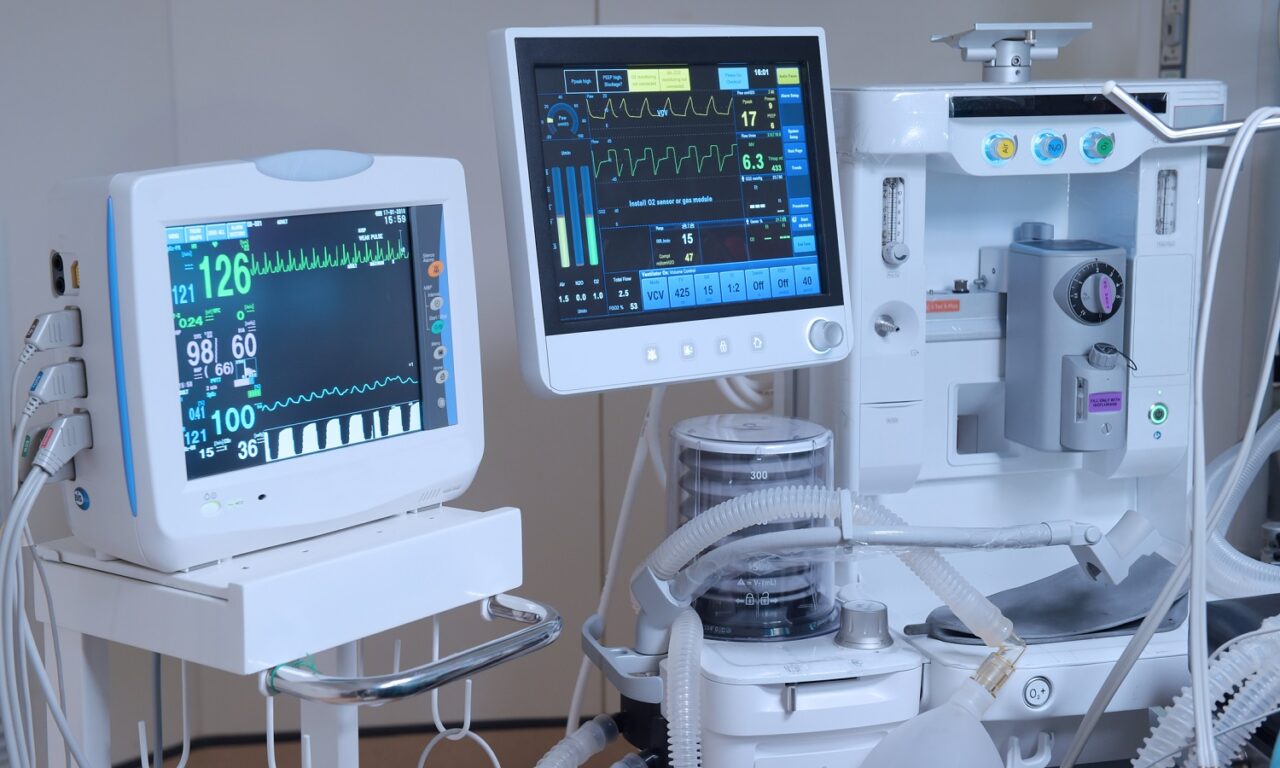
MarketsandMarkets expects the global medical equipment maintenance market, in terms of revenue, to reach $80.7 billion by 2028.