AMC Health and Norton Sound Health Corp plan to monitor up to 500 patients across 16 communities, where emergency medical care often requires air transportation.
Norton Sound Health Corp and AMC Health are preparing to launch a remote care program for up to 500 patients across Nome and 15 surrounding villages in Alaska’s Bering Strait region, where a hospital trip can require an aircraft rather than an ambulance. The November rollout, backed by Alaska’s Rural Health Transformation Program, is designed to identify health risks earlier and curb avoidable hospitalizations and medical evacuations.
The program will initially support hypertension, behavioral health, diabetes, and prenatal care. Participants will use a tablet provided by AMC Health to share blood pressure and glucose readings, complete regular health check-ins, and receive video education, giving care teams a line of sight into patient status between visits. Providers may also use the tablets for virtual visits as the program evolves.
Addressing a Growing Medevac Burden
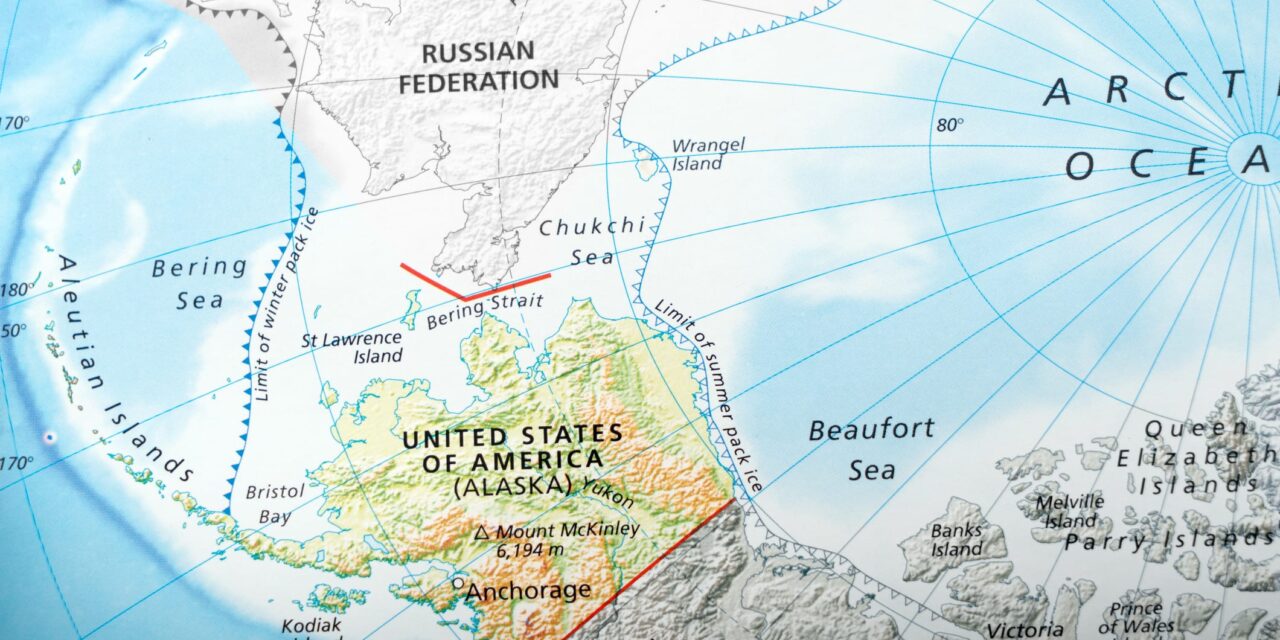
The volume of emergency air transports in the region is climbing. Norton Sound Health Corp recorded 163 medevac flights in FY2026, up from 125 the previous year. The service area spans roughly 44,000 square miles—about the size of Ohio—with no connecting roads between communities. Among participating patients, the initiative is targeting a 10 percent reduction in avoidable hospitalizations and medevac flights.
The need is especially pronounced in obstetrics. Norton Sound Health Corp recorded 17 obstetrical medevac flights in FY2026, up from six the year before, highlighting the difficulty of catching potential complications early for patients living far from hospital-based care.
“Remote care has its greatest potential in places where geography creates the greatest barriers to care. Our role is to give Norton Sound’s care teams the information they need to recognize risk earlier and help more patients remain stable and healthy in their own communities,” says Nesim Bildirici, founder and CEO of AMC Health, in a release.
Program Structure and Funding
The program is supported by an approved award under Alaska’s Rural Health Transformation effort, part of a federal initiative to strengthen healthcare access in rural communities. Alaska received $272.2 million in first-year funding, the second-largest award in the nation.
Approximately half of the planned 500 participants will receive support for diabetes and hypertension, while the remainder are expected to receive behavioral health support. Prenatal monitoring is also planned.
The tablets are being configured to work over cellular service, without requiring home internet or a smartphone. Devices will be delivered to village clinics, where staff will help prepare them for patients to take home. Norton Sound Health Corp plans to add three full-time staff members to monitor patient readings and respond to concerns.
“We chose to build this program across medical and behavioral health because that reflects how patients experience their health. A patient managing diabetes may also be managing depression, and a pregnant patient living several villages away still needs her care team to know when something changes. This gives us another way to stay connected to our patients wherever they live,” says Megan MacKiernan, PA, director of quality improvement and risk management at Norton Sound Health Corp, in a release.
AMC Health has supported care at home for more than two decades, including in rural communities and areas with limited broadband. Since 2017, the company has supported the US Department of Veterans Affairs Home Telehealth Program across more than 120 VA Medical Centers and currently works with patients in Alaska.
ID 368153521 | Bering Strait © LaTerase | Dreamstime.com