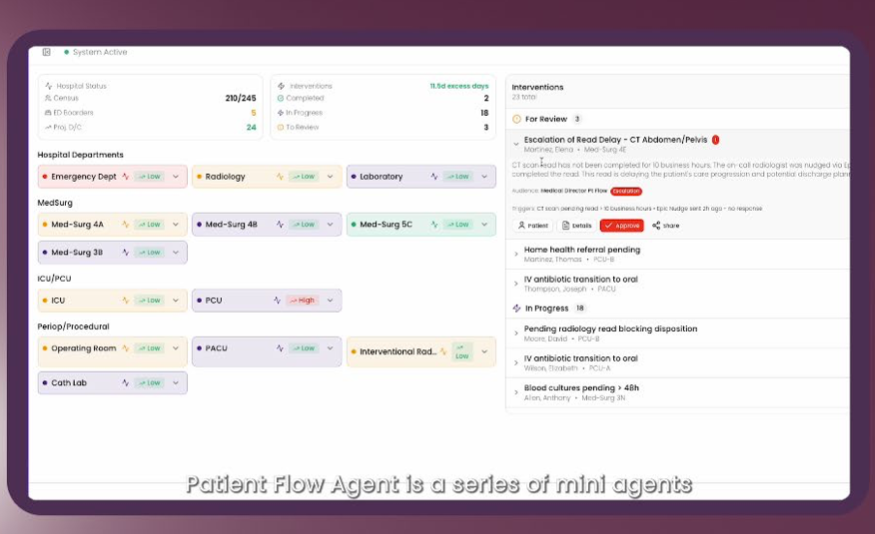
The platform combines real-time location systems and EHR data to optimize patient flow, equipment management, and clinic scheduling without requiring new infrastructure.
Kontakt.io unveiled a suite of AI solutions at ViVE 2026 designed to address operational challenges in hospitals and outpatient clinics by using existing real-time location system (RTLS) and electronic health record data.
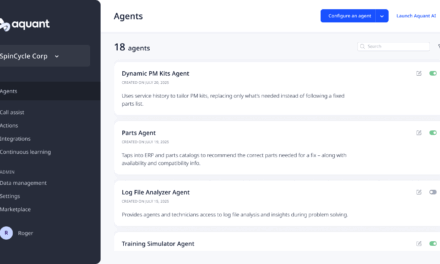
The platform includes four AI agents: Patient Journey Analytics, Supply Chain Agent, Access Agent, and Patient Flow Agent. These tools aim to help health systems manage rising demand, staffing pressures, and costs without requiring additional infrastructure investments.
“Healthcare leaders don’t lack data; they lack real-time operational clarity and the ability to act on it,” says Philipp von Gilsa, CEO and founder of Kontakt.io, in a release. “Our AI agents transform fragmented operational signals into coordinated, real-time action across access, patient flow, and logistical support. This enables health systems to unlock existing capacity, reduce delays, and deliver better care without adding staff or space.”
Patient Journey Analytics Creates Digital Hospital Model
Patient Journey Analytics serves as the foundation for the other AI agents by combining EHR data and RTLS signals to create what Kontakt.io calls a digital twin of hospital operations. This system provides a view of care progressions and how staff, space, and equipment are deployed, allowing leaders to identify operational bottlenecks and prepare for future demand.
The Access Agent focuses on outpatient clinic operations, with the company claiming it can boost exam room utilization by up to 20% and increase annual revenue per exam room by up to $34,000. The system forecasts room availability and aligns it with provider schedules and patient flow to increase patient access without adding physical space.
Patient Flow and Equipment Management Solutions
Patient Flow Agent addresses hospital bed management by predicting bed availability and potential discharge obstacles. According to Kontakt.io, a 200-bed hospital using this system could save up to $4 million annually, increase before-noon discharges by up to 25%, and reduce patient length of stay by 0.1 days or more.
The Supply Chain Agent tackles equipment management challenges, addressing the issue of nurses spending up to 36 minutes per shift searching for medical equipment. The system forecasts equipment demand and reallocates assets based on predicted needs.
“Many hospital teams operate completely blind to the current and projected needs of patients,” says Rom Eizenberg, chief revenue officer at Kontakt.io, in a release. “Supply Chain Agent uses EHR and RTLS data to create demand signals, predicting and staging equipment optimally, and ensuring that the right equipment is in the right place at the right time, every time.”
For a 200-bed hospital, the company claims Supply Chain Agent can decrease equipment search times by up to 89%, reduce device rentals by nearly 76%, and boost equipment utilization by 1.8 times.
The solutions are being demonstrated at ViVE 2026 in Los Angeles.
Photo caption: Patient Flow Agent
Photo credit: Kontakt.io