FDA Issues Early Alert on React Health VOCSN Ventilators Over Cable Issue
Unseated internal flow transducer connectors can trigger device reboots and therapy interruptions, prompting updated checkout and handling protocols.


Unseated internal flow transducer connectors can trigger device reboots and therapy interruptions, prompting updated checkout and handling protocols.
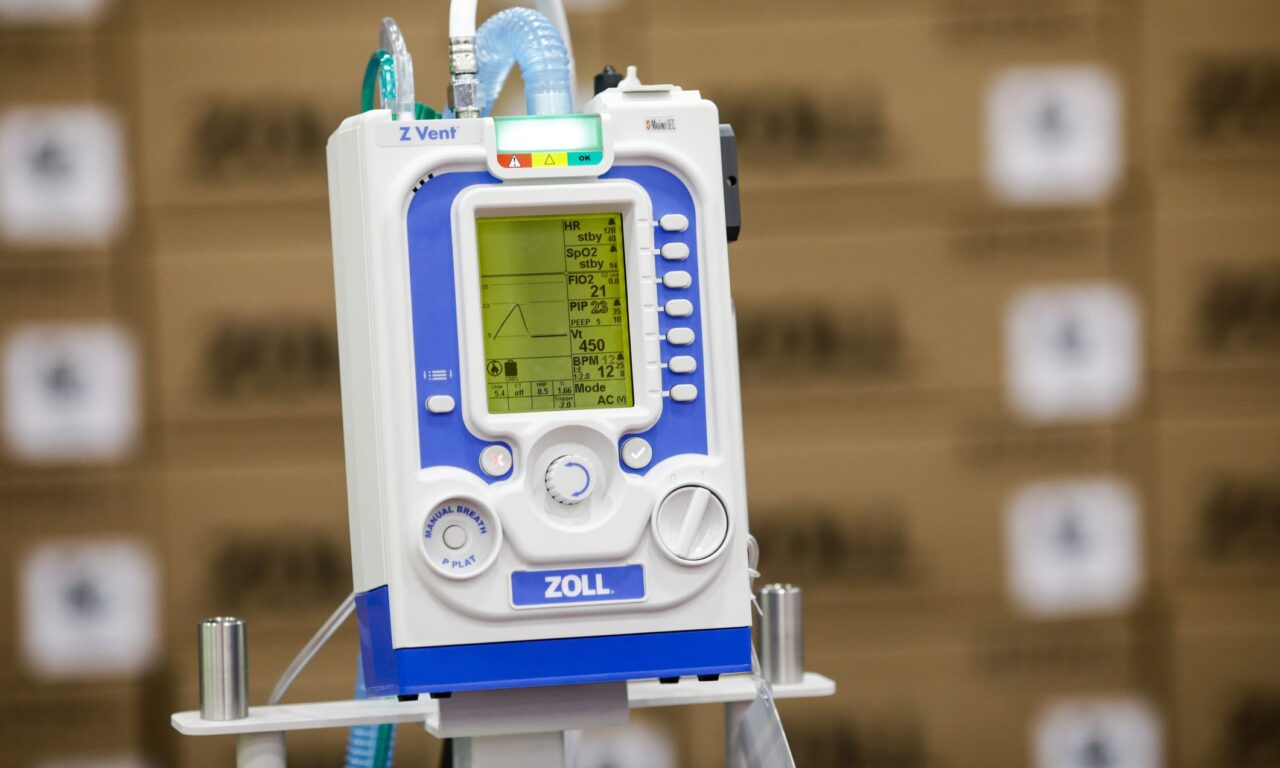
The agency cites failures in corrective actions, design validation, and reporting for ventilators, defibrillators, and sensors.







A study of 288 critical care incidents found barcode scanning technology and nurse intervention frequently stopped potential patient harm before it occurred.





Unseated internal flow transducer connectors can trigger device reboots and therapy interruptions, prompting updated checkout and handling protocols.
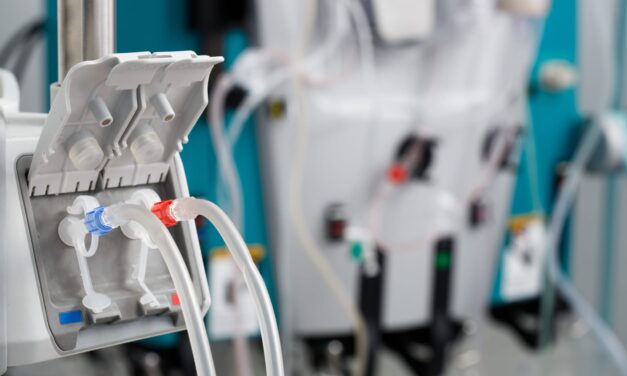
The alert follows reports of damaged patient connectors that could introduce micro-air bubbles, trigger air-in-line alarms, and lead to treatment delays or blood loss during hemodialysis.
Read More
The healthcare organization earned the honor for improving safety culture through leadership engagement, open communication, and data-driven risk reduction.
Read More
The annual award recognizes excellence in recall management among healthcare institutions worldwide.
Read More
A deliberate approach to AI adoption helps health systems achieve real impact while upholding safety and trust.
Read More
Effective post-market surveillance depends on HTM teams to bridge the gap between regulatory oversight and real-world performance.
Read More
Tampa General Hospital is honored for integrating new strategies and technologies to improve patient safety and care quality.
Read More
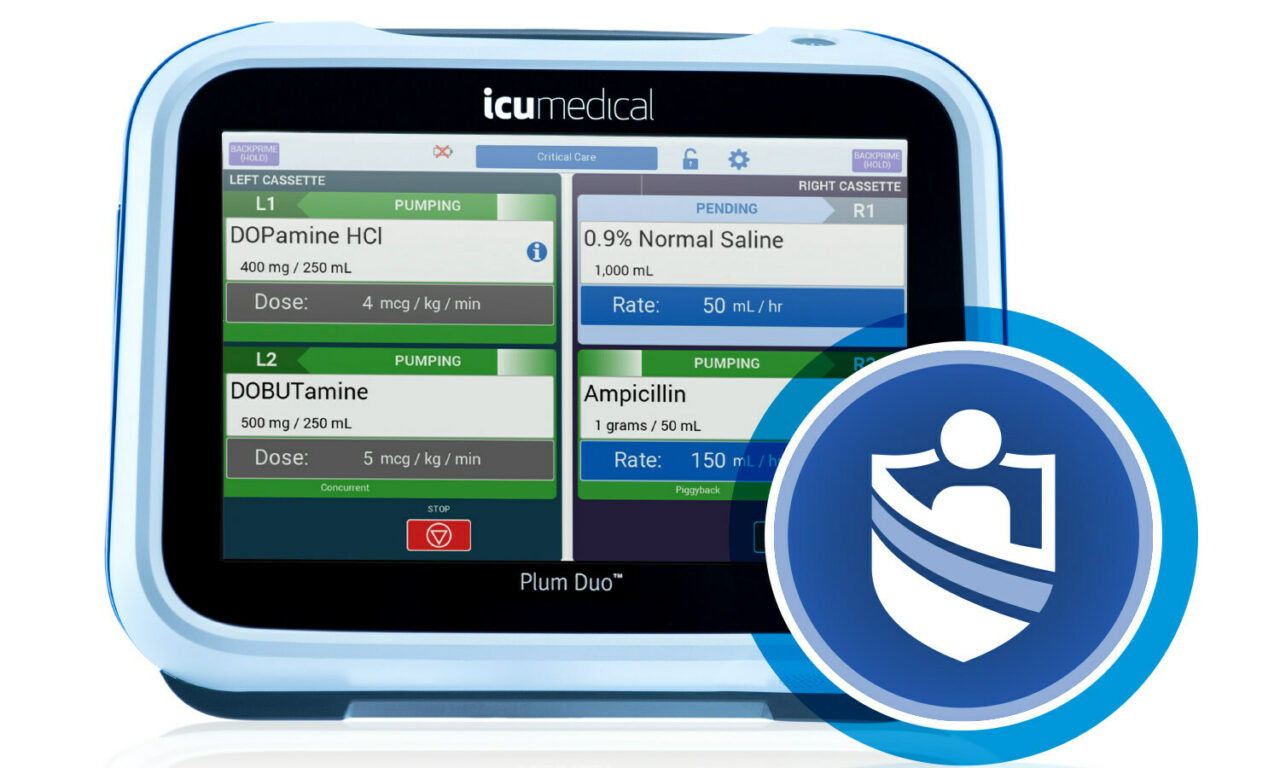
A software flaw that may cause the Plum Duo Infusion System to become unresponsive has prompted a device correction, which the FDA has identified as its most serious recall type.