FDA Issues Alert for GE HealthCare Patient Monitoring Software Issue
The issue involves the Portrait Mobile Monitoring Solution and could lead to patients being removed from the system or alarm settings resetting during updates.


The issue involves the Portrait Mobile Monitoring Solution and could lead to patients being removed from the system or alarm settings resetting during updates.

The recall involves convenience kits containing syringes that may disconnect during use, posing risks of blood loss and air embolism.






The recall affects IMPRIS Neuro III-SV models that use Siemens 3T magnets, citing a risk of blocked helium venting during a magnet quench.



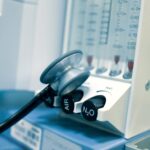
The issue involves the Portrait Mobile Monitoring Solution and could lead to patients being removed from the system or alarm settings resetting during updates.
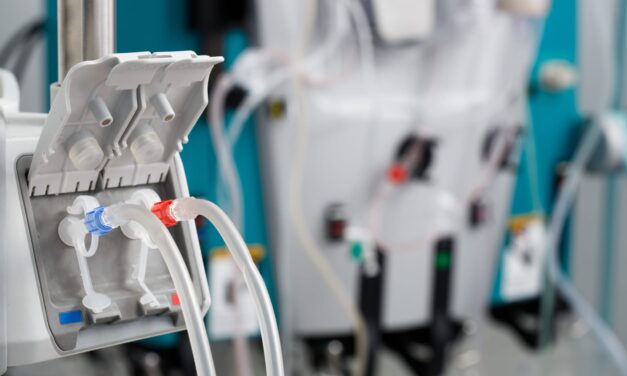
The alert follows reports of damaged patient connectors that could introduce micro-air bubbles, trigger air-in-line alarms, and lead to treatment delays or blood loss during hemodialysis.
Read More
The annual award recognizes excellence in recall management among healthcare institutions worldwide.
Read More
The initiative provides faster notifications on potentially high-risk removals or corrections for all medical devices.
Read More
The alert links purge retainer failures to potential pump stops and loss of hemodynamic support; the manufacturer is planning a service update.
Read More
The voluntary recall involves certain infusion sets used with the BD Alaris Pump Module model 8100 due to performance deviations that could impact dose accuracy.
Read More
A faulty speaker wire can cause a malfunction that halts insulin delivery, prompting the US Food and Drug Administration to classify the action as a Class I recall.
Read More

Philips Respironics is recalling certain DreamStation Auto CPAP and Auto BiPAP devices due to a programming error introduced during rework by a supplier.