What’s Behind Inconsistent Sterile Processing?
New research examines the organizational factors that make it difficult for sterile processing teams to maintain consistent practices.

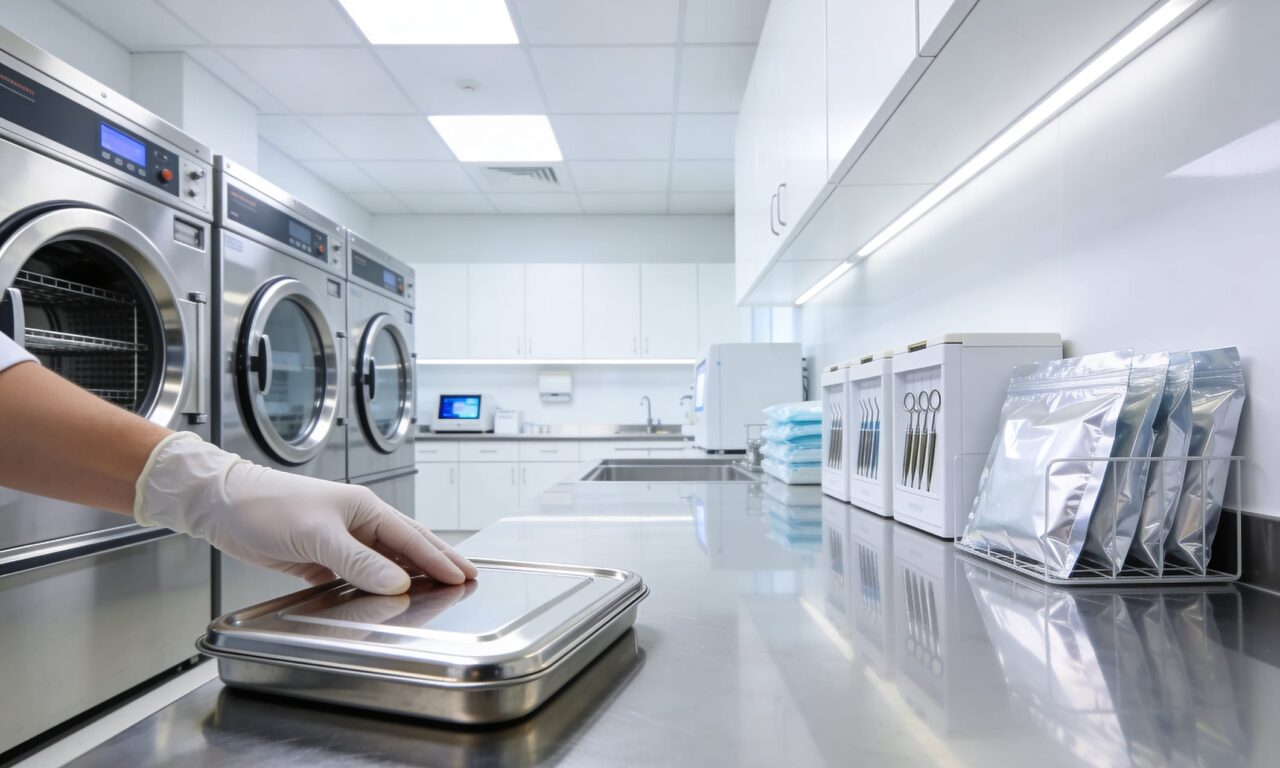
New research examines the organizational factors that make it difficult for sterile processing teams to maintain consistent practices.

Engineers are invited to submit AI-focused studies on medical devices, diagnostics, and biomedical processes for inclusion in JMIR Biomedical Engineering’s upcoming theme issue.







A survey by AMDR found that in 2023, nearly 12,000 hospitals saved over $465.8 million by using reprocessed SUDs.




New research examines the organizational factors that make it difficult for sterile processing teams to maintain consistent practices.
The global medical battery market, valued at $1.84 billion in 2023, is projected to grow at 5.78% CAGR, reaching $2.97 billion by 2032. Aging populations and rising chronic diseases drive demand, while challenges include labor shortages and battery safety.
Read More
The University of Copenhagen has created a prototype sensor capable of detecting errors in MRI scans using laser light and gas.
Read More
The University of Michigan is leading a clinical trial testing the impact of sending reconditioned pacemakers abroad for standard use.
Read More
The Joint Commission Journal on Quality and Patient Safety published a study on racial and ethnic healthcare equity in maternal care.
Read More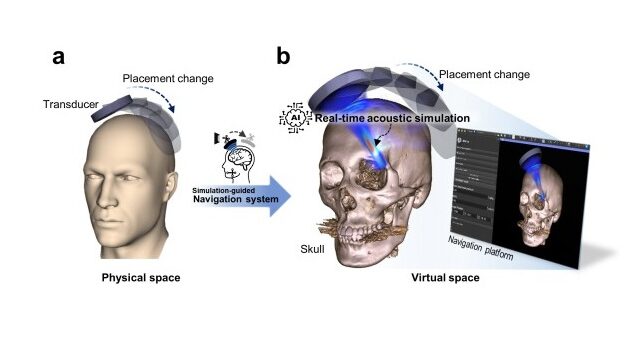
Researchers have developed generative AI to predict and correct the distortion of the ultrasound in real-time during focused ultrasound therapy.
Read More
The FDA and Mitre released a new cybersecurity playbook that identifies near-term solutions for the risks posed by legacy medical devices.
Read More

In a new study, emergency department (ED)clinicians expressed concerns about poor communication, resource shortages, and training gaps in ED boarding care, emphasizing the need for standardized care, proactive planning, and cultural changes, impacting both patient care and clinician well-being.


