FDA Clears Wearable Platform for Parkinson’s Symptom Monitoring
The system uses clinical-grade wearables and algorithms to provide objective data on tremors, sleep, and medication compliance.


The system uses clinical-grade wearables and algorithms to provide objective data on tremors, sleep, and medication compliance.
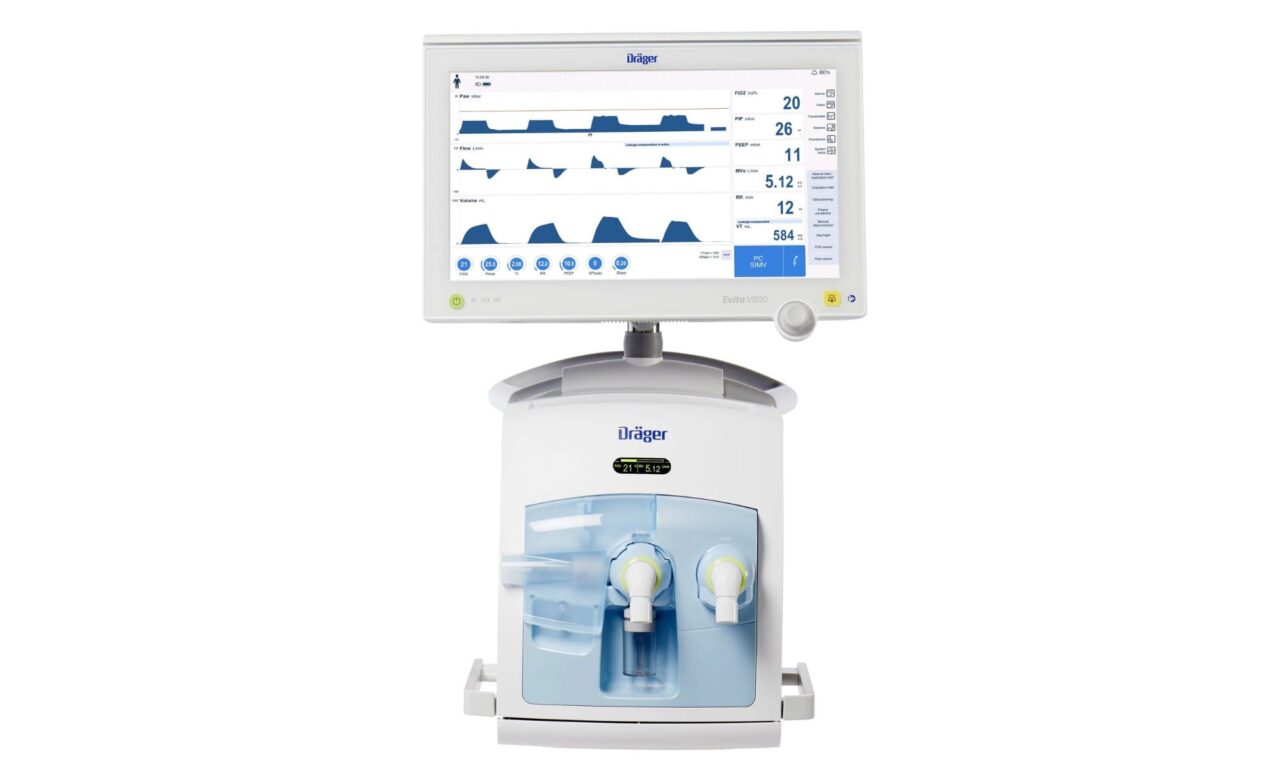
The update introduces features designed to assist clinicians in managing patients with pulmonary diseases like acute respiratory distress syndrome.


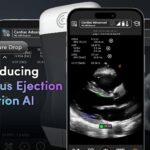
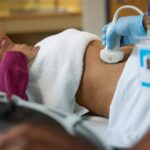

The updates include a new spleen exam workflow, compatibility with Apple laptops, and direct connection to electronic health records.


The system uses clinical-grade wearables and algorithms to provide objective data on tremors, sleep, and medication compliance.

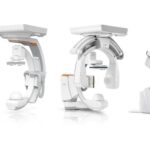
The system is designed to improve workflow efficiency and safety during minimally invasive left-heart procedures.
Read More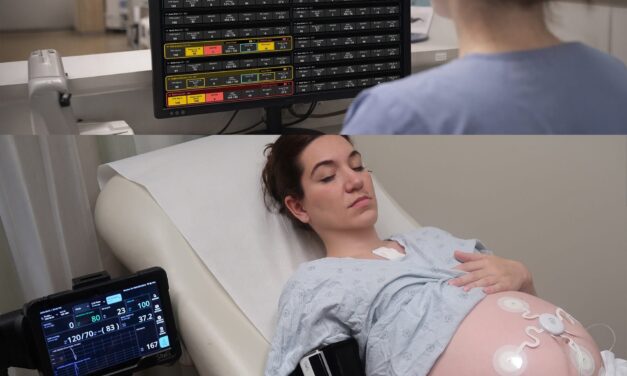
The wearable sensor system provides continuous, simultaneous monitoring of maternal and fetal vital signs to improve clinical evaluation.
Read More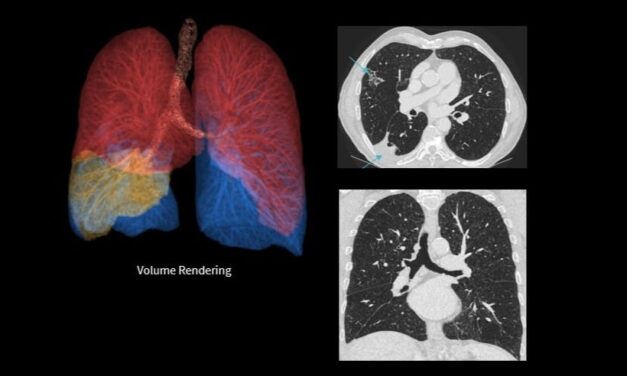
The software is designed to enhance spatial resolution and suppress artifacts in pulmonary, musculoskeletal, and inner ear scans.
Read More
Clearances expand options for hospitals seeking lower-cost alternatives to OEM robotic surgical instruments.
Read More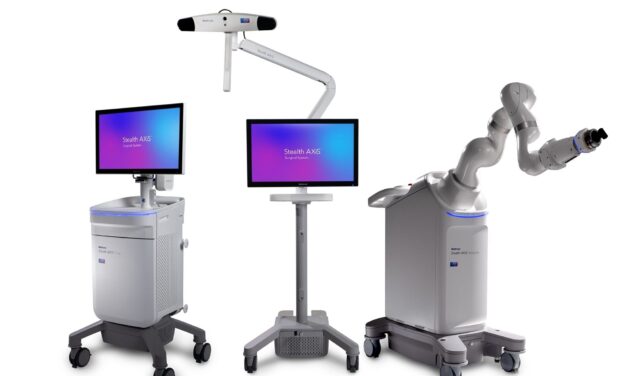
The platform combines planning, navigation, and robotics, with AI-enabled features for imaging and workflow support.
Read More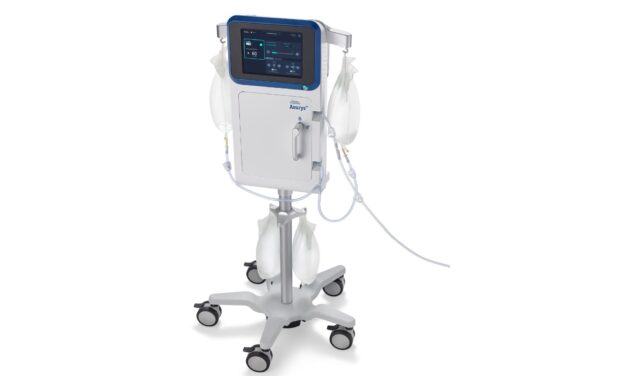
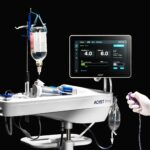
Device is designed to regulate irrigation and intrarenal pressure during endoscopic urologic procedures
Read More
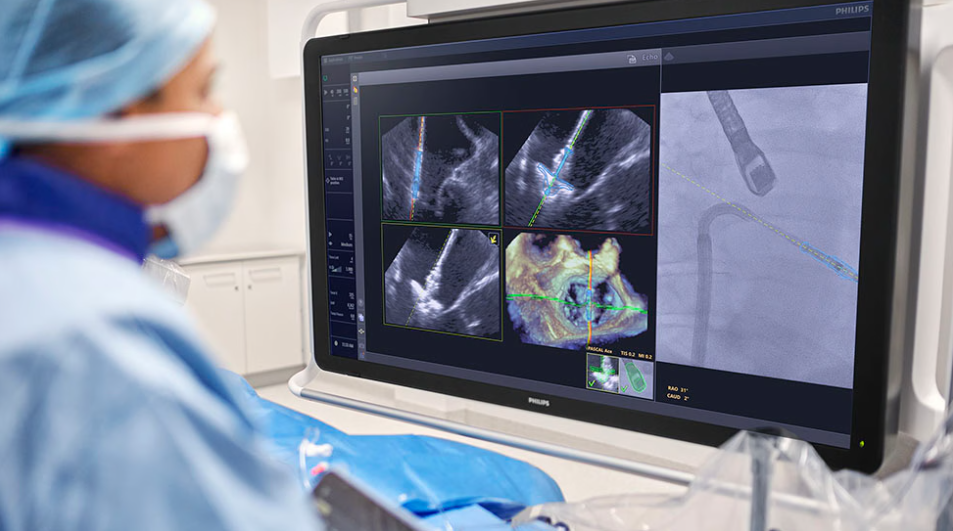
EchoNavigator with DeviceGuide uses AI to track and visualize repair devices in real time during minimally invasive procedures.