HTM Market Projected to Reach $146 Billion by 2035 as AI and Predictive Maintenance Expand
Growth reflects increasing reliance on connected medical devices, lifecycle management, and data-driven service models.


Growth reflects increasing reliance on connected medical devices, lifecycle management, and data-driven service models.

The AI-enabled software automates whole-body tumor burden analysis for PSMA PET/CT and SPECT/CT studies to help clinicians assess treatment eligibility and monitor response.




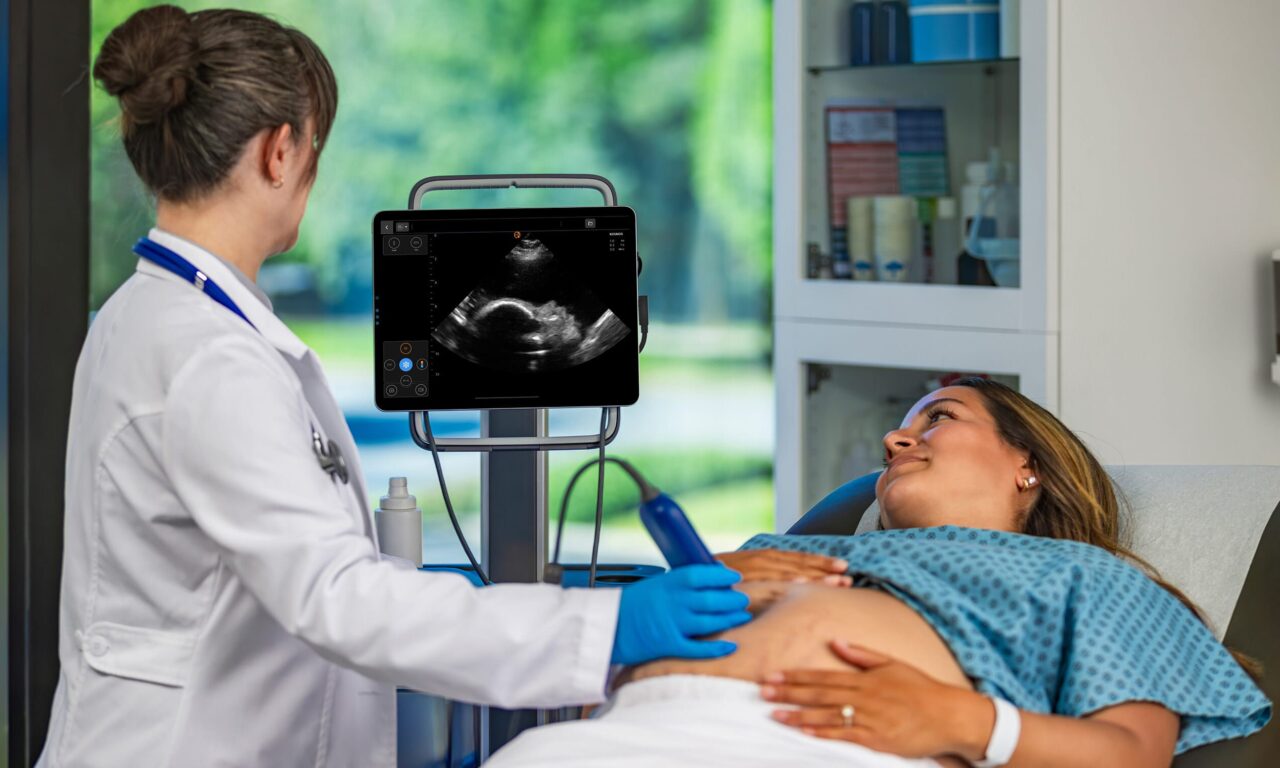
The Kosmos platform update includes FDA-cleared presets for obstetrics, gynecology and billable vascular workflows designed for point-of-care use.






Growth reflects increasing reliance on connected medical devices, lifecycle management, and data-driven service models.

By combining sensor data with virtual models, digital twins are designed to reflect equipment conditions and simulate system performance.
Read More
The newly cleared software uses deep learning to reduce image noise, cut scan times by up to 50%, and preserve quantitative accuracy across multiple nuclear medicine applications.
Read More
ECRI’s report also sounds the alarm on insufficient planning for systems outages, substandard medical products, missed recalls of home diabetes management devices, and more.
Read More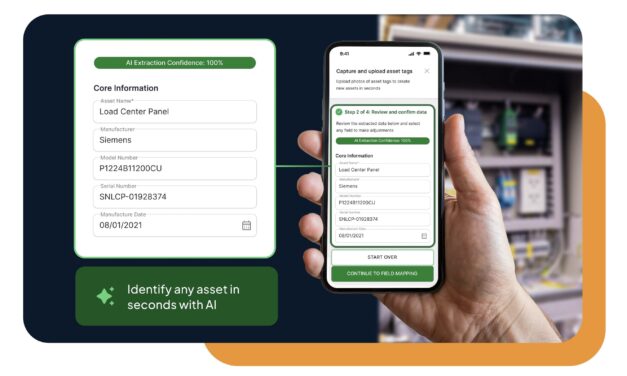
The company’s Winter Release adds new AI-driven capabilities focused on asset data accuracy, resource planning, and integration with enterprise systems.
Read More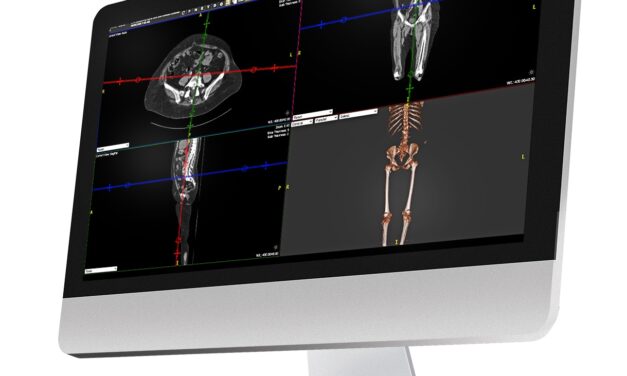
Direct integration with the operating system is designed to give health systems a single environment for managing regulatory-cleared AI tools within existing imaging workflows.
Read More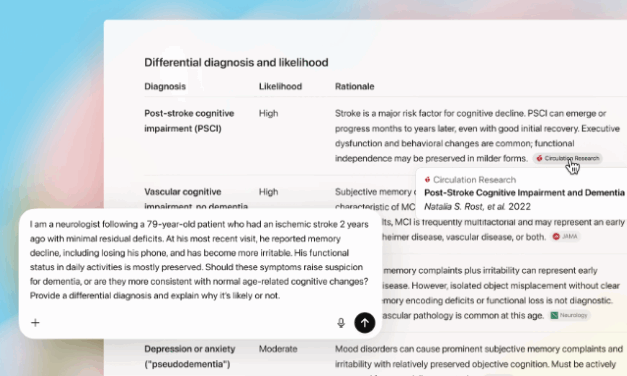
The new platform includes ChatGPT for Healthcare and expanded API tools designed for use across clinical, administrative, and research workflows.
Read More

New agentic functionality is designed to support capital planning decisions and inventory management for health systems.